How Galaxy Collisions Give Birth to New Stars
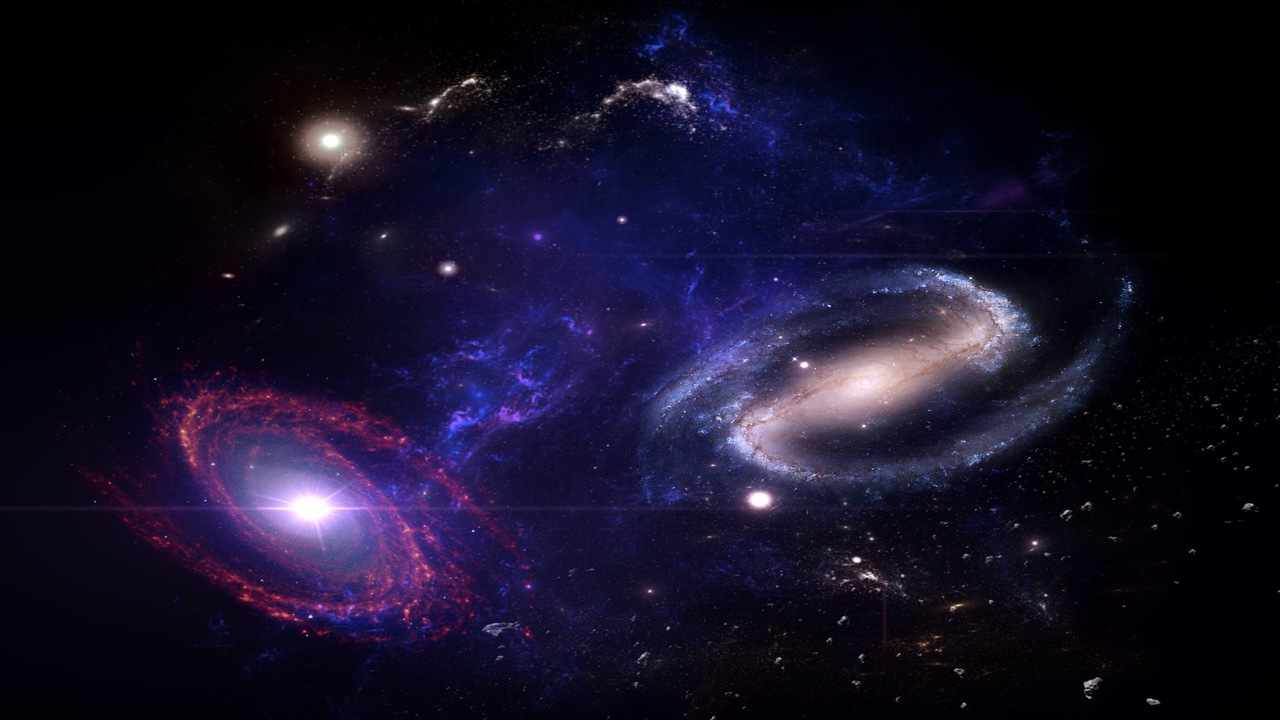
When two galaxies collide, the first image that comes to mind might be one of cosmic destruction—stars smashing into each other, planets shattering, and entire systems being torn apart. The truth is far more surprising: galaxy collisions are one of the universe’s most creative processes. Instead of destroying stars, collisions often trigger the birth of new ones.
These interactions reshape galaxies, spark massive waves of star formation, and help build some of the most beautiful structures ever observed.
Galaxies Are Mostly Empty Space
To understand why collisions create stars rather than destroy them, it helps to know just how empty galaxies are.Although a galaxy contains billions of stars:
- The distance between stars is enormous
- Stars do not physically crash into each other in typical collisions
- Gas and dust clouds, however, do interactThis gas is the raw material for star birth. Galactic collisions stir, compress, and reshape this gas, turning quiet clouds into active star‑forming regions.
Gravity Takes Over During a Collision
When two galaxies approach each other, their gravitational fields begin to overlap.This triggers a chain of events:
- Gas clouds inside each galaxy feel tidal forces
- These forces compress, stretch, and collide clouds
- Collisions generate shock waves
- Shock waves compress gas even further
- Dense gas collapses into new starsStar formation thrives when gravity has the upper hand, and galaxy collisions are perfect environments for this.
Gas Compression: The Engine of Star Formation
Stars are born when gas becomes dense enough for gravity to collapse it into a hot, bright core.Galaxy collisions accelerate this process dramatically:
1. Gas clouds collide head‑on
This increases pressure and triggers rapid collapse.
2. Spiral arms become distorted
These distortions funnel gas toward certain regions.
3. Central regions become overwhelmed with gas
This leads to intense bursts of new star formation called starbursts.A single collision can create millions of new stars in a relatively short cosmic time.
Starburst Galaxies: Collision‑Powered Light Shows
Some of the most spectacular galaxies known are starburst galaxies—galaxies undergoing rapid star formation triggered by interactions.Characteristics include:
- Extremely bright infrared emission
- High rate of supernova explosions
- Rapid gas consumption
- Young, massive star clustersFamous examples:
- M82 (the Cigar Galaxy)
- NGC 4038 & NGC 4039 (the Antennae Galaxies)These galaxies show massive star‑forming regions glowing brightly, fueled by the energy of interaction.
Galaxy Mergers: When Two Become One
If two galaxies collide with the right momentum and angle, they eventually merge into a single, larger galaxy.During the final stages:
- Gas flows toward the center
- Star formation peaks
- A new galactic core forms
- Black holes in each galaxy spiral inward
- A supermassive black hole eventually forms or growsThe end result may be:
- A more massive spiral galaxy
- A barred spiral galaxy
- Or, in many cases, an elliptical galaxyMergers are one of the main ways elliptical galaxies form in crowded galaxy clusters.
Collisions Shape Galaxy Morphology
Galaxy interactions dramatically alter a galaxy’s appearance.Common effects include:
Tidal Tails
Long, curved streams of stars pulled out by gravity.
Bridges
Material stretched between two interacting galaxies.
Shell Structures
Ripple-like features left behind after mergers.
Warped Disks and Bars
Internal distortions that can last billions of years.These features reveal the history of past encounters even long after the collision itself is over.
What Happens to Stars During Collisions?
Even though stars almost never collide directly, their orbits change drastically.Effects include:
- Stars being flung into wider orbits
- Some being thrown out of the galaxy entirely
- Clusters forming in compressed regions
- The galactic structure becoming chaotic and then re‑settlingThese orbital shifts help merge galaxies into new shapes.
Gas Inflow and the Growth of Black Holes
Collisions funnel enormous amounts of gas toward the center of galaxies.This fuels:
- Star formation
- Active galactic nuclei (AGN)
- Rapid growth of central black holesQuasars—some of the brightest objects in the universe—often form after major galaxy mergers.
Collisions Can Create New Dwarf Galaxies
Tidal forces during collisions pull out long streams of gas and stars.These streams can collapse under gravity, forming tidal dwarf galaxies.These dwarfs:
- Contain younger stars
- Lack dark matter
- Orbit the parent galaxies
- Offer clues to galaxy evolutionThey are unique products of violent interactions.
How the Milky Way Will Collide with Andromeda
Our own galaxy is on a collision course with the Andromeda Galaxy, about 2.5 million light‑years away.In roughly 4–5 billion years, the two galaxies will merge.Expected outcomes:
- Huge bursts of star formation
- A transformed galactic structure
- Expansion of the central black hole
- Formation of a new elliptical or lenticular galaxyEarth and the solar system will likely drift into a new position, but the stars themselves will not collide.
Collisions Are a Key Part of Galaxy Evolution
Without galaxy collisions:
- Spiral galaxies might never grow large
- Elliptical galaxies would be rare
- Starbursts wouldn't shape cosmic history
- Supermassive black holes might grow more slowly
- The universe’s large‑scale structure would look very differentCollisions are not rare accidents—they are central drivers of galactic evolution.These encounters turn gas into stars, reshape galaxies, and build the largest structures we see today.
More from Galaxies & Cosmic Structures
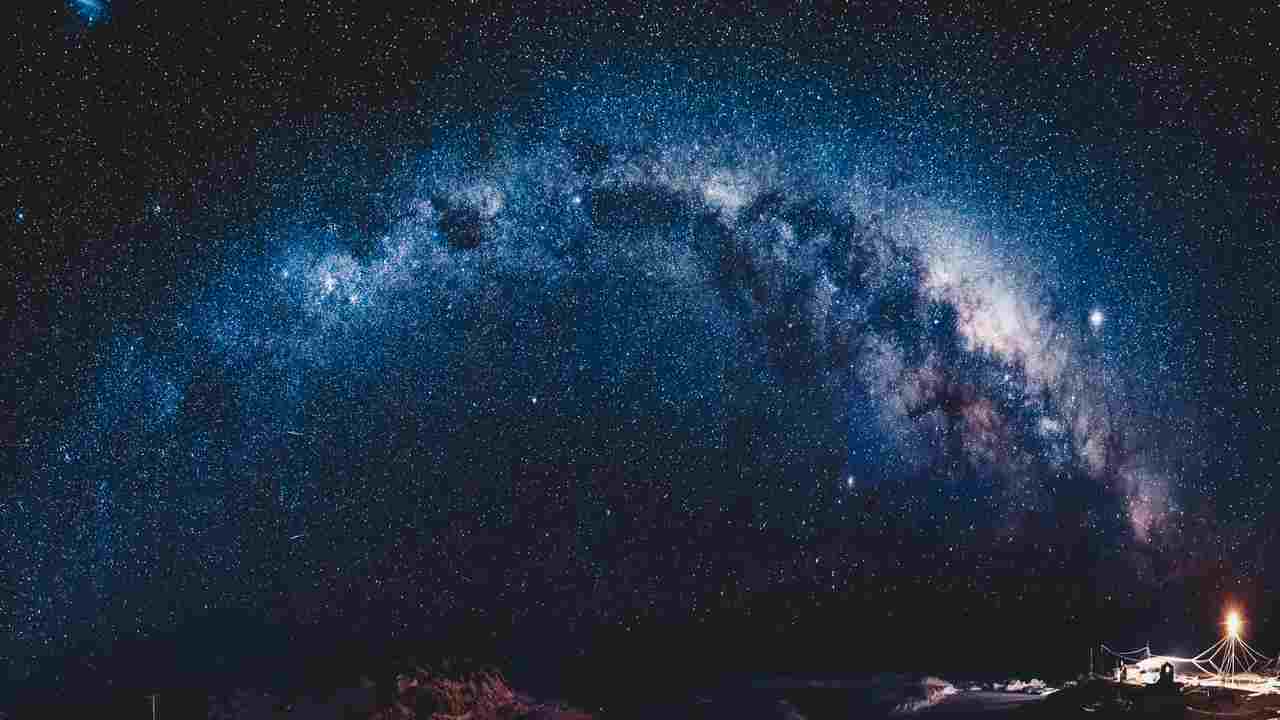
The Local Group: Our Galaxy’s Immediate Cosmic Neighborhood
When we look up at the night sky, the Milky Way seems immense—an island of hundreds of billions of stars. But on a cosmic scale, our galaxy is far from alone. It belongs to a small cluster of galaxies known as the Local Group, a gravitationally bound community that stretches millions of light‑years across.
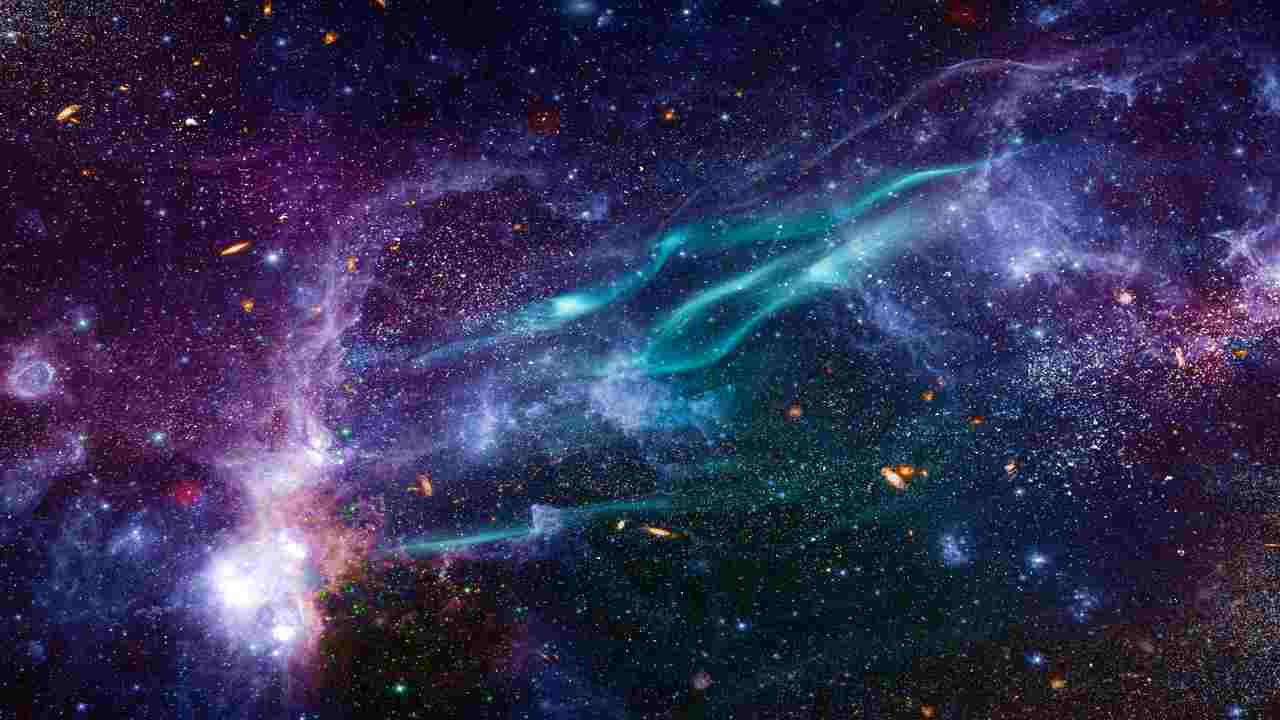
Cosmic Web: The Hidden Skeleton of the Universe
On the largest scales, the universe does not look random.It is the universe’s hidden skeleton: a vast network shaped by gravity, dark matter, and the expansion of space itself. Understanding this structure is essential for understanding how galaxies form, evolve, and connect across billions of light‑years.
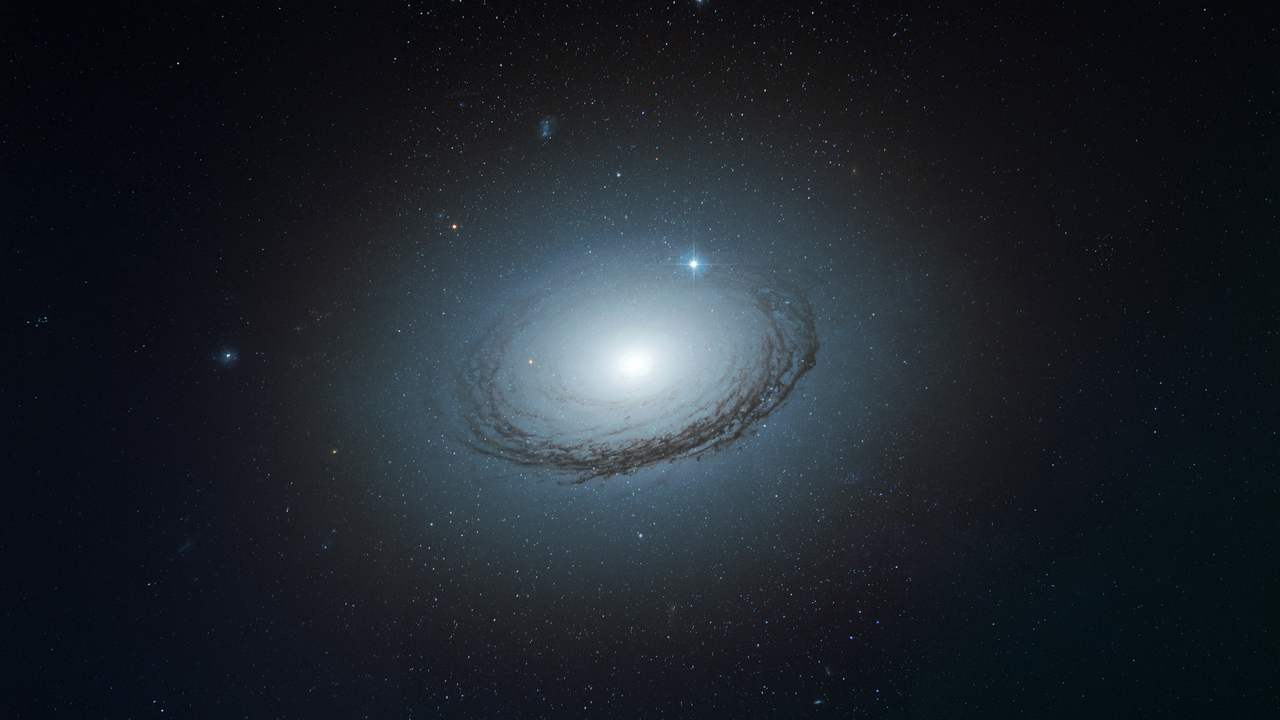
Elliptical vs. Irregular Galaxies: What Makes Them Different?
Not all galaxies follow the graceful swirl of a spiral. Some galaxies look like smooth, football‑shaped collections of stars. Others resemble chaotic clouds with no clear form at all. These two major types—elliptical and irregular galaxies—help astronomers understand how galaxies change over time and how different cosmic environments shape their evolution.
Explore More Topics
Gamma-Ray Bursts: The Universe’s Most Violent Explosions
Gamma-ray bursts (GRBs) are brief, powerful flashes of high-energy radiation that outshine entire galaxies for a few seconds. They occur randomly across the sky, often billions of light-years away, yet the energy they release is so intense that Earth-based detectors can pick them up instantly. These events push astrophysics to its limits and provide a rare glimpse into the universe’s most extreme processes.
What Happens Inside a Black Hole? Exploring the Unknown Interior
Black holes are among the most mysterious objects in the universe. While scientists understand how black holes form and how they interact with their surroundings, what happens inside a black hole remains one of the greatest unsolved mysteries in physics. Crossing the event horizon—the point of no return—takes you into a realm where spacetime is warped beyond recognition and where our current theories break down.
The Darkest Objects in the Universe: How We Detect Invisible Black Holes
Black holes are famous for being invisible. They emit no light, no radiation, and no signals that can be directly detected with traditional telescopes. Yet scientists have discovered dozens of them and mapped their behavior across the cosmos. How is this possible?