The Local Group: Our Galaxy’s Immediate Cosmic Neighborhood
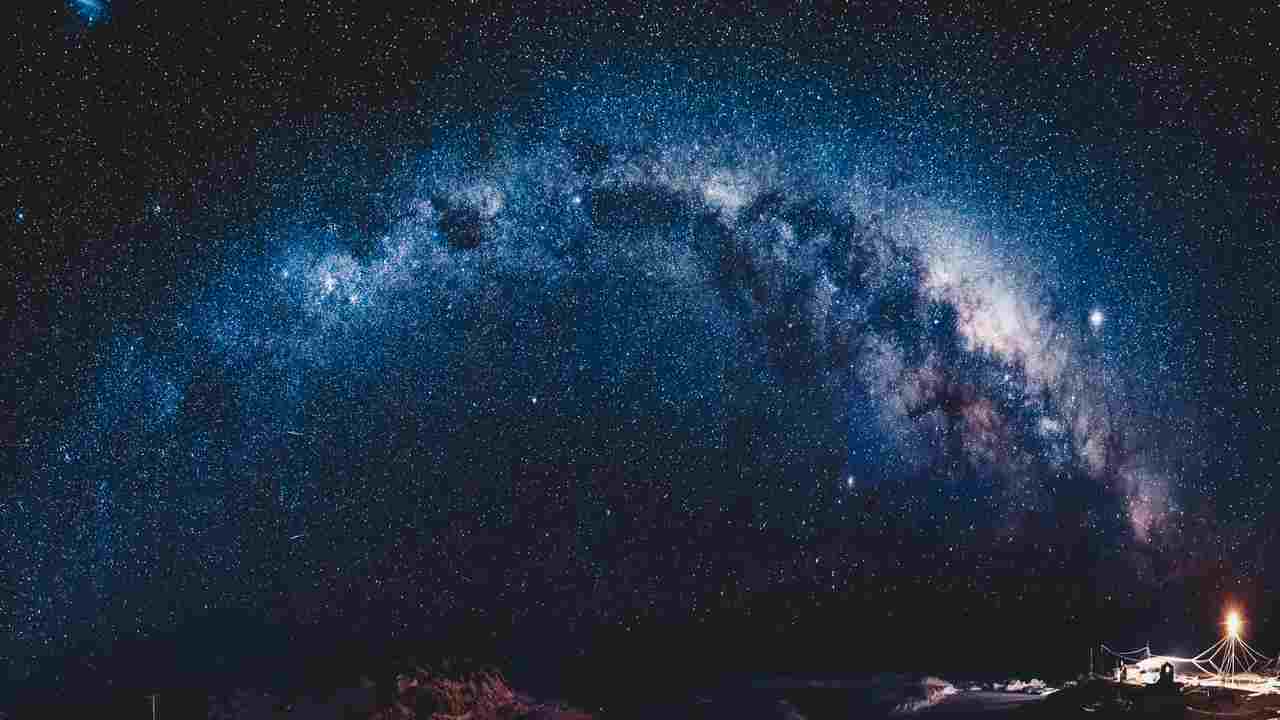
When we look up at the night sky, the Milky Way seems immense—an island of hundreds of billions of stars. But on a cosmic scale, our galaxy is far from alone. It belongs to a small cluster of galaxies known as the Local Group, a gravitationally bound community that stretches millions of light‑years across.
Understanding the Local Group gives us a clearer picture of where the Milky Way fits within the broader universe and how galaxies interact, evolve, and shape their surroundings.
What Exactly Is the Local Group?
The Local Group is a collection of more than 80 galaxies held together by gravity. Most of these galaxies are dwarfs—small, faint, and dominated by dark matter—but the group is anchored by three large members:
- The Milky Way
- The Andromeda Galaxy (M31)
- The Triangulum Galaxy (M33)These three dominate the mass, structure, and dynamics of the group.
Key Characteristics:
- Diameter: about 10 million light‑years
- Bound together by gravity
- Contains spirals, ellipticals, and many dwarf irregulars
- Part of a larger structure called the Local SheetThe Local Group is small by cosmic standards, but incredibly important for understanding galaxy evolution.
The Milky Way’s Closest Companions
The Milky Way is surrounded by a family of dwarf galaxies, many of which orbit like satellites. Some of the most notable include:
Large Magellanic Cloud (LMC)
- A barred spiral dwarf
- Contains active star formation
- Possibly on a long first‑time approach toward the Milky Way
Small Magellanic Cloud (SMC)
- Irregular dwarf galaxy
- Connected to the LMC by a stream of gas
- Influenced strongly by the Milky Way’s gravity
Sagittarius Dwarf Galaxy
- Currently merging with the Milky Way
- Its stars are being stretched into long tidal streams
The Ultra‑Faint Dwarfs
- Among the least luminous galaxies known
- Contain very old stars
- Extremely dominated by dark matterThese companions help astronomers test dark matter models and study how large galaxies grow by absorbing smaller ones.
Andromeda: The Giant of the Local Group
The Andromeda Galaxy (M31) is the largest and most massive galaxy in the Local Group. It lies about 2.5 million light‑years away and is approaching the Milky Way at about 110 km/s.
Why Andromeda Matters:
- It contains more than a trillion stars
- It has its own system of dwarf galaxies
- It offers a comparison point for understanding the Milky Way
- It plays a central role in the Local Group’s futureAndromeda and the Milky Way dominate the Local Group’s gravitational dynamics.
Triangulum: The Local Group’s Third Giant
The Triangulum Galaxy (M33) is a smaller spiral, but still one of the major members.
Key Features:
- Estimated 40 billion stars
- Prominent star‑forming regions
- Possibly a satellite of Andromeda
- May have had past interactions with M31Its structure provides insights into spiral galaxy evolution and interactions between major Local Group members.
The Many Dwarf Galaxies of the Local Group
Although the three large spirals get the attention, the vast majority of galaxies in the Local Group are dwarf galaxies.These dwarfs come in several types:
Dwarf Spheroidals
- Little to no gas
- Very faint
- Shaped by tidal forces from larger galaxies
Dwarf Irregulars
- Gas‑rich
- Active star formation
- More chaotic structures
Transition Dwarfs
- Between gas‑rich and gas‑poor states
- Often shaped by environmental effectsThese galaxies help scientists understand:
- How dark matter behaves
- How galaxies quench star formation
- How tiny galaxies interact with giants
The Structure of the Local Group
The Local Group isn’t randomly arranged. It has a recognizable structure shaped by gravity.
Core Region
Defined by the Milky Way and Andromeda, roughly 2–3 million light‑years apart.
Satellite Systems
Each giant galaxy has its own set of orbiting dwarfs.
Outer Members
Dwarf galaxies like WLM or Sagittarius Dwarf Irregular lie farther out, on the edges of gravitational influence.
The Local Group Boundary
Beyond about 5 million light‑years, galaxies begin to fall more into the gravitational pull of other structures, such as the Virgo Cluster.The Local Group sits inside a much larger arrangement called the Local Sheet or Local Volume, which connects to the vast cosmic web.
How the Local Group Will Evolve
The Local Group is not static. Over billions of years, it will undergo dramatic change.
1. Milky Way–Andromeda Collision
In about 4–5 billion years, the two giant spirals will merge.
2. A New Galaxy Will Form
Simulations suggest the merger will create an elliptical or lenticular galaxy sometimes nicknamed “Milkdromeda.”
3. Triangulum May Join the Collision
M33 may also be drawn into the merger, depending on orbital details.
4. Satellite Galaxies Will Be Absorbed
Many dwarf galaxies will eventually merge into the larger system.
5. The Local Group Will Become a Single Galaxy
Over extremely long timescales, gravitational interactions will consolidate the Local Group into a single massive object.The group’s long‑term evolution mirrors the hierarchical growth seen across cosmic history.
Why the Local Group Matters to Astronomy
Studying our galactic neighborhood is crucial because:
- It provides the best laboratory for understanding galaxy interactions
- We can observe dwarf galaxies in great detail
- It helps refine dark matter models
- It reveals how spiral galaxies evolve
- It gives clues about the universe’s large‑scale structureBecause the Local Group is close enough for detailed observation, it serves as a foundation for understanding far more distant systems.
A Small but Insightful Corner of the Universe
The Local Group may be tiny compared with galaxy clusters and superclusters, but it is rich with history, interactions, and diversity. It contains the galaxies that shaped the formation of the Milky Way, the companions that orbit it today, and the galaxies that will eventually merge into our future galactic home.Understanding the Local Group means understanding our cosmic neighborhood—and ultimately, our galaxy’s place in the universe.
More from Galaxies & Cosmic Structures
How Galaxy Collisions Give Birth to New Stars
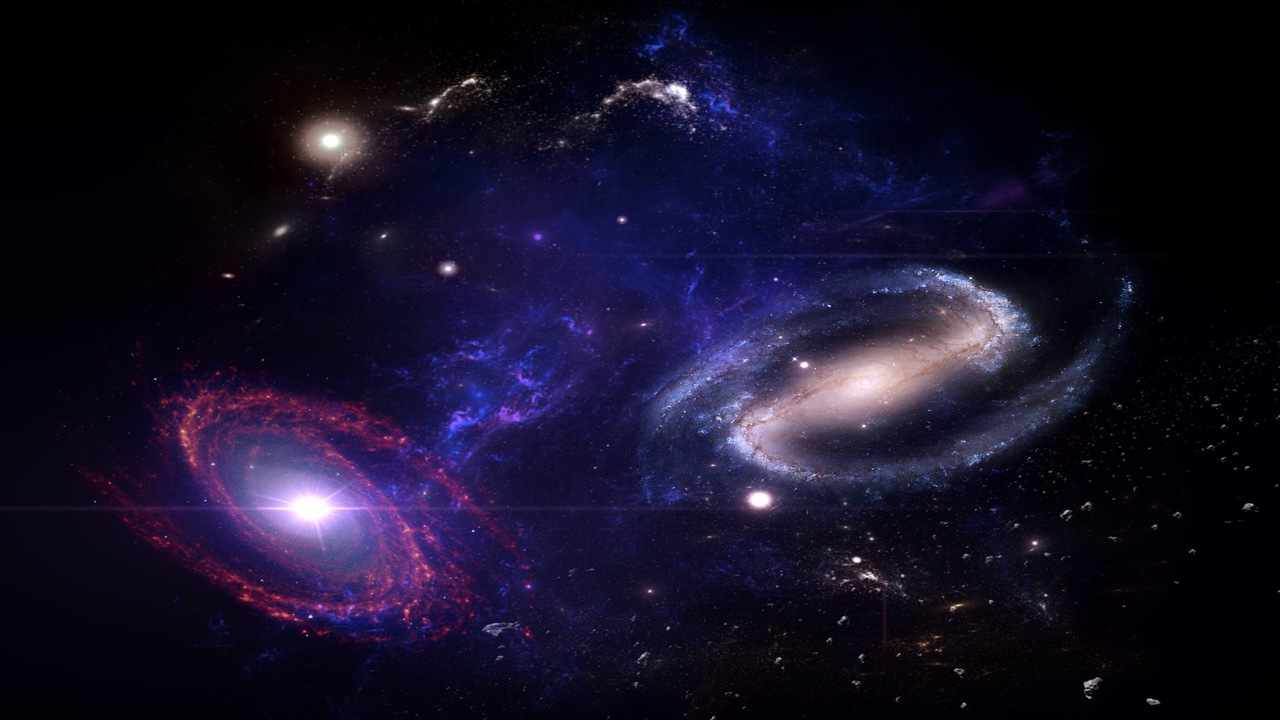
When two galaxies collide, the first image that comes to mind might be one of cosmic destruction—stars smashing into each other, planets shattering, and entire systems being torn apart. The truth is far more surprising: galaxy collisions are one of the universe’s most creative processes. Instead of destroying stars, collisions often trigger the birth of new ones.
Cosmic Web: The Hidden Skeleton of the Universe
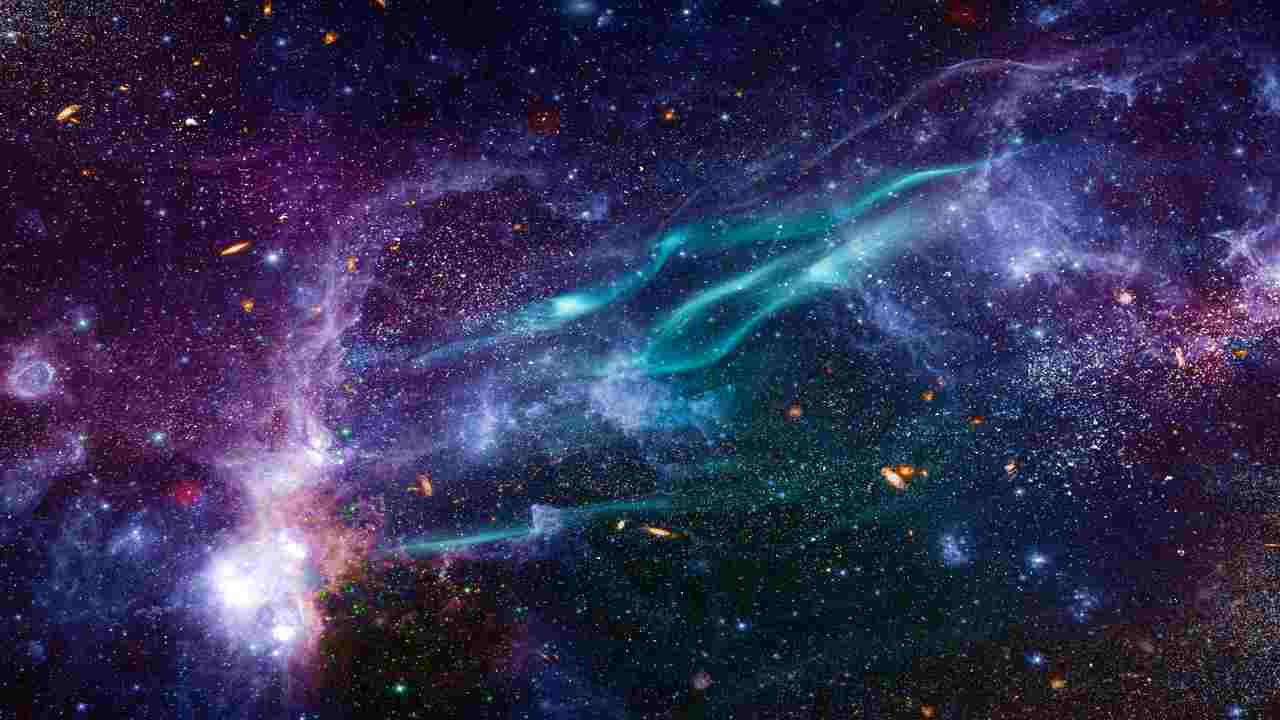
On the largest scales, the universe does not look random.It is the universe’s hidden skeleton: a vast network shaped by gravity, dark matter, and the expansion of space itself. Understanding this structure is essential for understanding how galaxies form, evolve, and connect across billions of light‑years.
Elliptical vs. Irregular Galaxies: What Makes Them Different?
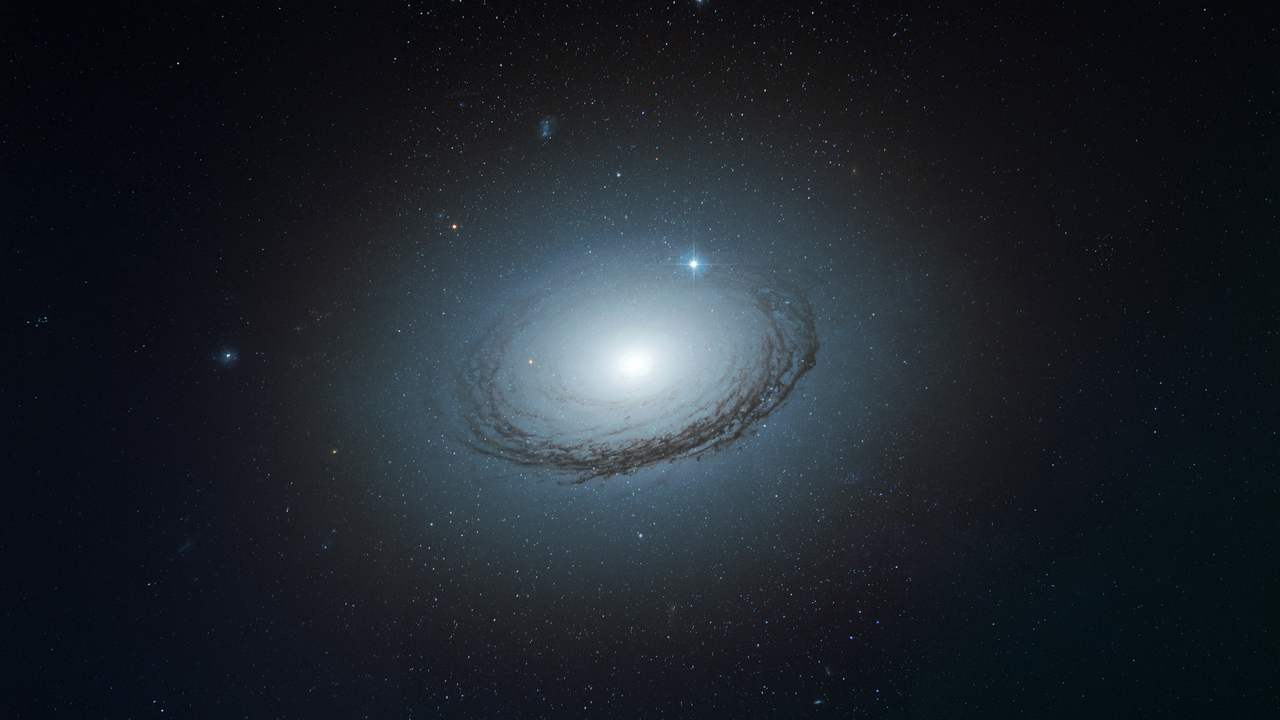
Not all galaxies follow the graceful swirl of a spiral. Some galaxies look like smooth, football‑shaped collections of stars. Others resemble chaotic clouds with no clear form at all. These two major types—elliptical and irregular galaxies—help astronomers understand how galaxies change over time and how different cosmic environments shape their evolution.
Explore More Topics
Gamma-Ray Bursts: The Universe’s Most Violent Explosions
Gamma-ray bursts (GRBs) are brief, powerful flashes of high-energy radiation that outshine entire galaxies for a few seconds. They occur randomly across the sky, often billions of light-years away, yet the energy they release is so intense that Earth-based detectors can pick them up instantly. These events push astrophysics to its limits and provide a rare glimpse into the universe’s most extreme processes.
What Happens Inside a Black Hole? Exploring the Unknown Interior
Black holes are among the most mysterious objects in the universe. While scientists understand how black holes form and how they interact with their surroundings, what happens inside a black hole remains one of the greatest unsolved mysteries in physics. Crossing the event horizon—the point of no return—takes you into a realm where spacetime is warped beyond recognition and where our current theories break down.
The Darkest Objects in the Universe: How We Detect Invisible Black Holes
Black holes are famous for being invisible. They emit no light, no radiation, and no signals that can be directly detected with traditional telescopes. Yet scientists have discovered dozens of them and mapped their behavior across the cosmos. How is this possible?