Galaxy Clusters: The Largest Gravitationally Bound Structures
Galaxy Clusters: The Largest Gravitationally Bound Structures
Galaxy clusters are the largest gravitationally bound systems in the universe, containing hundreds to thousands of galaxies, vast amounts of hot gas, and dark matter. These colossal structures provide essential clues to the large-scale distribution of matter and the evolution of the cosmos. This article explores what galaxy clusters are, how they form, their composition, and their significance in modern astrophysics.
What Are Galaxy Clusters?
A galaxy cluster is a massive assembly of galaxies held together by their mutual gravitational attraction. Unlike isolated galaxies, galaxy clusters are collections of many galaxies ranging from small dwarfs to giant ellipticals and spirals, all bound in a common gravitational well.
Clusters typically span several million light-years across and can contain from a few hundred to several thousand member galaxies. Their total mass can reach up to 10^15 times the mass of our Sun, making them some of the most massive objects in the observable universe.
Composition of Galaxy Clusters
Galaxy clusters consist of three primary components:
Galaxies: The visible galaxies account for only about 5% of the cluster's total mass. These galaxies vary in type and size, including ellipticals, spirals, and irregular galaxies.
Intracluster Medium (ICM): The space between galaxies in a cluster is filled with extremely hot, diffuse gas called the intracluster medium. This gas is primarily ionized hydrogen and helium, with temperatures ranging from 10 million to 100 million Kelvin. The ICM emits X-rays detectable by space observatories such as Chandra and XMM-Newton and accounts for roughly 10-15% of the cluster’s mass.
Dark Matter: Dark matter forms the bulk of the cluster’s mass, estimated at around 80-85%. Though invisible, its gravitational influence holds the cluster together and affects the motion of galaxies and gas within the cluster.
How Do Galaxy Clusters Form?
Galaxy clusters form through hierarchical structure formation, a process driven by gravity in an expanding universe. After the Big Bang, small density fluctuations in the matter distribution grew over billions of years.
Initially, dark matter clumped together into halos, attracting ordinary matter which cooled and formed galaxies. Over time, these galaxies and their halos merged to form larger structures—groups and eventually galaxy clusters.
The process is ongoing, with clusters growing by accreting smaller groups and individual galaxies. Cluster mergers are among the most energetic events in the universe, releasing vast amounts of energy and sometimes producing shock waves in the intracluster gas.
Observing Galaxy Clusters
Galaxy clusters are studied across multiple wavelengths:
Optical Observations: Telescopes capture visible light from member galaxies, allowing astronomers to map their distribution and identify cluster members.
X-ray Observations: The hot intracluster gas emits X-rays, enabling the measurement of temperature, density, and total mass of the gas.
Radio Observations: Some clusters show radio halos and relics—diffuse radio emission linked to cluster mergers and magnetic fields.
Gravitational Lensing: Clusters can bend and magnify light from background galaxies, an effect called gravitational lensing. This helps map the dark matter distribution.
Importance in Cosmology and Astrophysics
Galaxy clusters serve as natural laboratories for studying several fundamental aspects of the universe:
Tracing Large-Scale Structure: Clusters are nodes in the cosmic web, tracing the distribution of matter on the largest scales.
Testing Dark Matter Models: The mass distribution within clusters, revealed by lensing and X-rays, provides constraints on dark matter properties.
Probing Dark Energy: The number and growth rate of galaxy clusters over time help measure the expansion history of the universe, offering insights into dark energy.
Understanding Galaxy Evolution: The dense environment of clusters affects galaxy interactions, star formation rates, and morphological changes.
Famous Galaxy Clusters
Some of the most studied galaxy clusters include:
The Coma Cluster: One of the nearest rich clusters, containing over 1,000 galaxies, serving as a prototype for cluster studies.
The Virgo Cluster: The closest large cluster to the Milky Way, forming part of the Local Supercluster.
Bullet Cluster: Famous for providing direct evidence of dark matter through gravitational lensing maps separating from hot gas after a collision.
Future Research and Exploration
Ongoing and upcoming missions will deepen our understanding of galaxy clusters:
eROSITA: A space telescope conducting an all-sky X-ray survey to find and study new clusters.
James Webb Space Telescope (JWST): Will enable detailed observations of distant, young clusters.
Large Synoptic Survey Telescope (LSST): Will provide massive optical surveys to detect clusters and map their evolution.
Galaxy clusters, as the universe’s largest gravitationally bound structures, are critical to understanding cosmic evolution, dark matter, and dark energy. Their study continues to illuminate the complex processes shaping the cosmos.
More from Galaxies & Cosmic Structures
The Local Group: Our Galaxy’s Immediate Cosmic Neighborhood
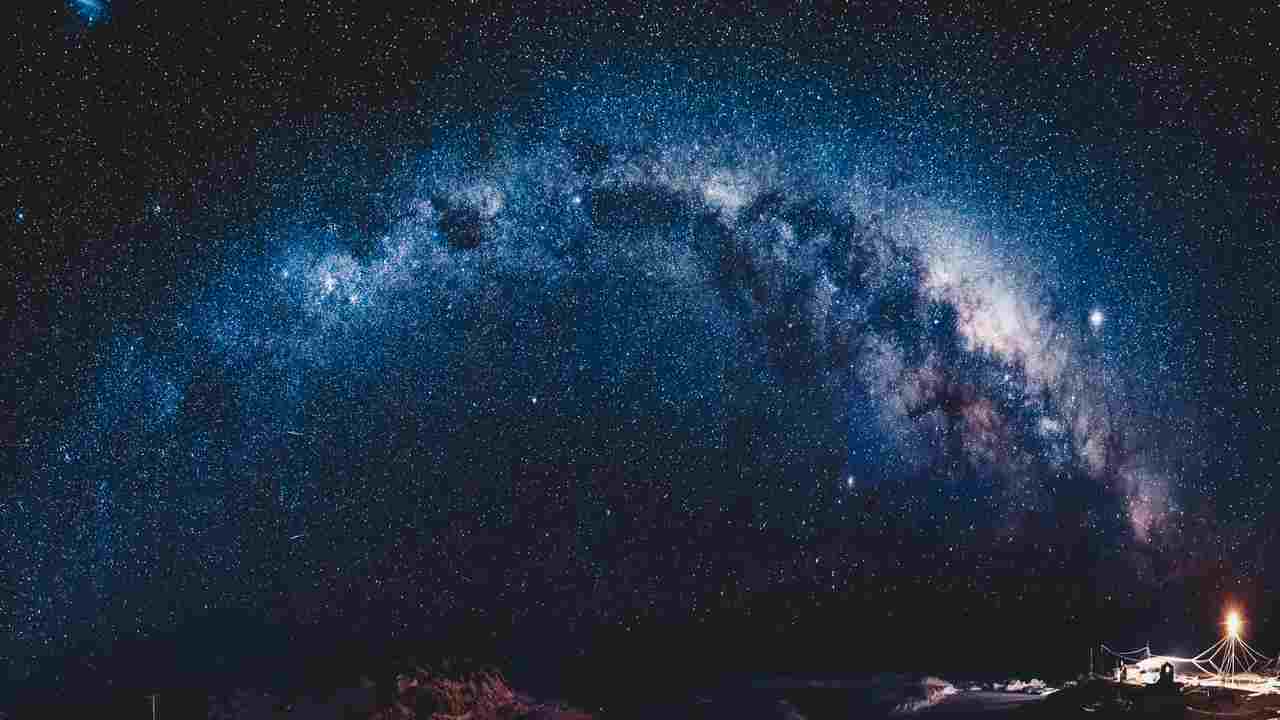
When we look up at the night sky, the Milky Way seems immense—an island of hundreds of billions of stars. But on a cosmic scale, our galaxy is far from alone. It belongs to a small cluster of galaxies known as the Local Group, a gravitationally bound community that stretches millions of light‑years across.
How Galaxy Collisions Give Birth to New Stars
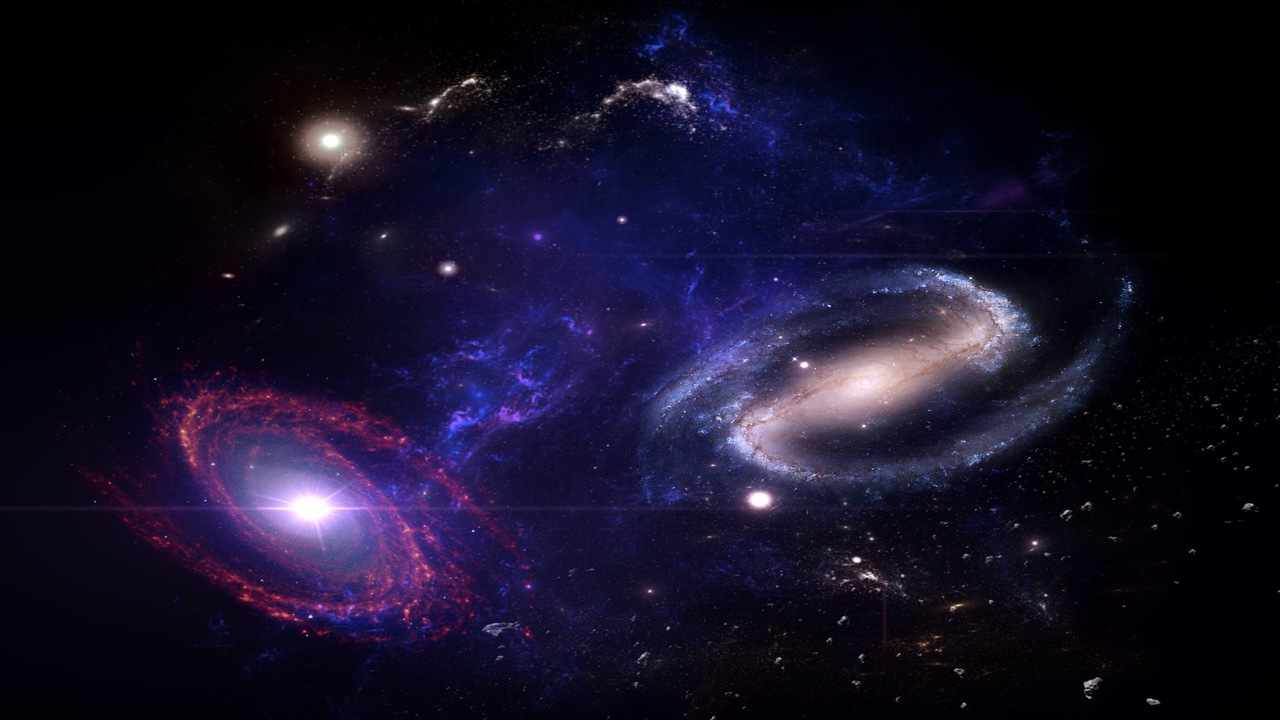
When two galaxies collide, the first image that comes to mind might be one of cosmic destruction—stars smashing into each other, planets shattering, and entire systems being torn apart. The truth is far more surprising: galaxy collisions are one of the universe’s most creative processes. Instead of destroying stars, collisions often trigger the birth of new ones.
Cosmic Web: The Hidden Skeleton of the Universe
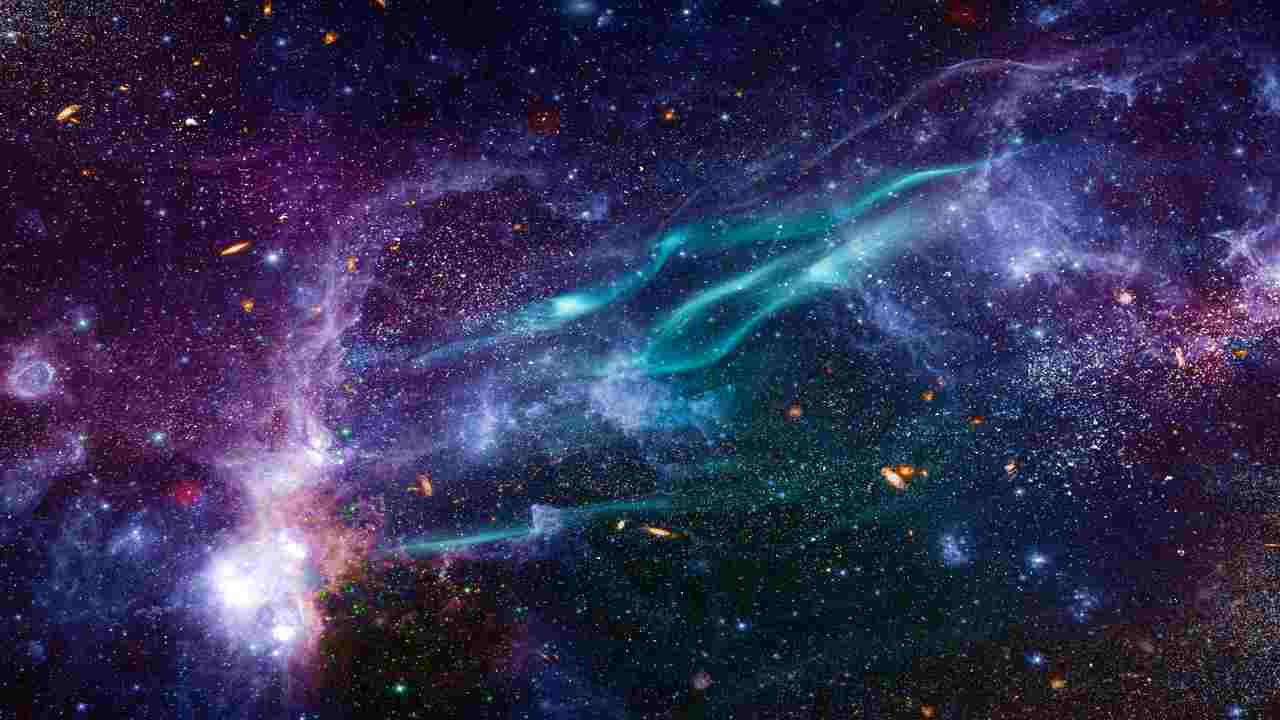
On the largest scales, the universe does not look random.It is the universe’s hidden skeleton: a vast network shaped by gravity, dark matter, and the expansion of space itself. Understanding this structure is essential for understanding how galaxies form, evolve, and connect across billions of light‑years.
Explore More Topics
Gamma-Ray Bursts: The Universe’s Most Violent Explosions
Gamma-ray bursts (GRBs) are brief, powerful flashes of high-energy radiation that outshine entire galaxies for a few seconds. They occur randomly across the sky, often billions of light-years away, yet the energy they release is so intense that Earth-based detectors can pick them up instantly. These events push astrophysics to its limits and provide a rare glimpse into the universe’s most extreme processes.
What Happens Inside a Black Hole? Exploring the Unknown Interior
Black holes are among the most mysterious objects in the universe. While scientists understand how black holes form and how they interact with their surroundings, what happens inside a black hole remains one of the greatest unsolved mysteries in physics. Crossing the event horizon—the point of no return—takes you into a realm where spacetime is warped beyond recognition and where our current theories break down.
The Darkest Objects in the Universe: How We Detect Invisible Black Holes
Black holes are famous for being invisible. They emit no light, no radiation, and no signals that can be directly detected with traditional telescopes. Yet scientists have discovered dozens of them and mapped their behavior across the cosmos. How is this possible?