How Do Galaxies Evolve Over Billions of Years?
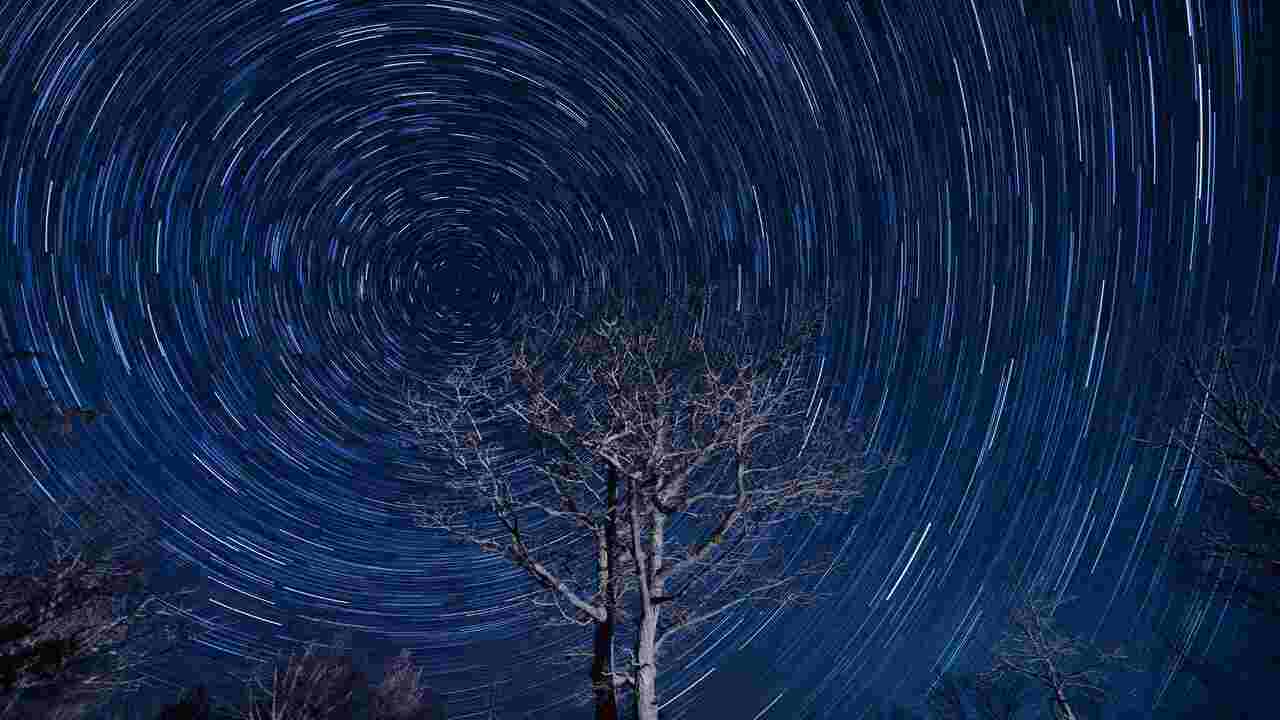
How Do Galaxies Evolve Over Billions of Years?
Galaxies are the fundamental building blocks of the universe, hosting billions to trillions of stars, along with gas, dust, dark matter, and often supermassive black holes at their centers. Understanding how galaxies evolve over billions of years is crucial for unraveling the history and structure of the cosmos. This article delves into the processes and mechanisms that drive galaxy evolution, combining observational evidence and theoretical models to provide a clear picture.
What Is Galaxy Evolution?
Galaxy evolution refers to the changes in a galaxy’s structure, composition, and behavior over cosmic time. These changes span from the early universe shortly after the Big Bang to the present day, shaped by a complex interplay of internal processes and external influences.
The Early Universe: Birth of Galaxies
About 13.8 billion years ago, the Big Bang produced a hot, dense universe composed mostly of hydrogen and helium gas, along with dark matter. Small density fluctuations allowed matter to clump under gravity, forming the first dark matter halos. Gas fell into these halos, cooled, and condensed to form the first generation of stars and proto-galaxies.
These early galaxies were often small, irregularly shaped, and rapidly forming stars. Over time, through processes like mergers and gas accretion, these proto-galaxies grew larger and more structured.
Key Processes Driving Galaxy Evolution
1. Mergers and Interactions
Galaxies frequently collide and merge, especially in the denser regions of the universe. Mergers can dramatically reshape galaxies:
- Minor mergers: Smaller galaxies merge into a larger one, gradually increasing mass.
- Major mergers: Two galaxies of comparable size collide, often triggering intense starbursts and transforming galaxy morphology—spiral galaxies can become ellipticals.
These interactions redistribute gas, stars, and dark matter, profoundly influencing galaxy properties.
2. Star Formation and Gas Accretion
Galaxies convert cold gas into stars through star formation. The availability of gas, its cooling rate, and feedback from stars and black holes regulate this process.
- Gas accretion: Galaxies grow by accreting gas from the intergalactic medium and by merging with other galaxies.
- Star formation rate: Varies over time; early galaxies had higher star formation rates, which generally decline as gas depletes or is heated.
3. Feedback Mechanisms
Feedback from supernova explosions, stellar winds, and active galactic nuclei (AGN) can heat or expel gas, regulating star formation:
- Supernova feedback: Explosions from massive stars inject energy into the surrounding gas, potentially halting star formation locally.
- AGN feedback: Energy output from accreting supermassive black holes can heat or blow away gas, suppressing star formation on larger scales.
4. Secular Evolution
Internal processes, such as the movement of stars and gas within galaxies, can slowly reshape galaxy structures over billions of years without external triggers.
- For example, the formation of bars in spiral galaxies redistributes gas and stars, influencing central star formation.
Morphological Evolution: From Irregular to Spirals and Ellipticals
Galaxies are broadly classified into:
- Elliptical galaxies: Smooth, ellipsoidal shapes, dominated by older stars, with little gas or star formation.
- Spiral galaxies: Flat disks with spiral arms, containing gas, dust, and ongoing star formation.
- Irregular galaxies: Lack regular shapes, often smaller and gas-rich.
Over time, galaxy mergers and internal processes cause transformations among these types. Many ellipticals likely formed from major mergers of spirals.
Observational Evidence for Galaxy Evolution
Astronomers observe galaxy evolution by looking at galaxies at different distances, thus seeing them at various stages of cosmic history:
- High-redshift galaxies: Young galaxies observed as they were billions of years ago, often smaller, more irregular, and rapidly forming stars.
- Local galaxies: Mature galaxies with settled morphologies and slower star formation rates.
Large surveys such as the Hubble Deep Field and Sloan Digital Sky Survey (SDSS) have cataloged thousands of galaxies across cosmic time, allowing statistical studies of galaxy properties and evolution.
Role of Dark Matter
Dark matter forms the gravitational backbone of galaxies and their halos. Its distribution influences how galaxies form, merge, and evolve by shaping the potential wells that attract baryonic matter.
Future Prospects in Galaxy Evolution Studies
Next-generation telescopes like the James Webb Space Telescope (JWST) and the Extremely Large Telescope (ELT) will provide unprecedented views of the earliest galaxies and finer details on evolutionary processes.
Understanding how galaxies evolve over billions of years involves piecing together complex interactions of gravity, gas dynamics, star formation, and feedback. This ongoing research continues to reveal how the universe’s grandest structures came to be.
More from Galaxies & Cosmic Structures
The Local Group: Our Galaxy’s Immediate Cosmic Neighborhood
When we look up at the night sky, the Milky Way seems immense—an island of hundreds of billions of stars. But on a cosmic scale, our galaxy is far from alone. It belongs to a small cluster of galaxies known as the Local Group, a gravitationally bound community that stretches millions of light‑years across.
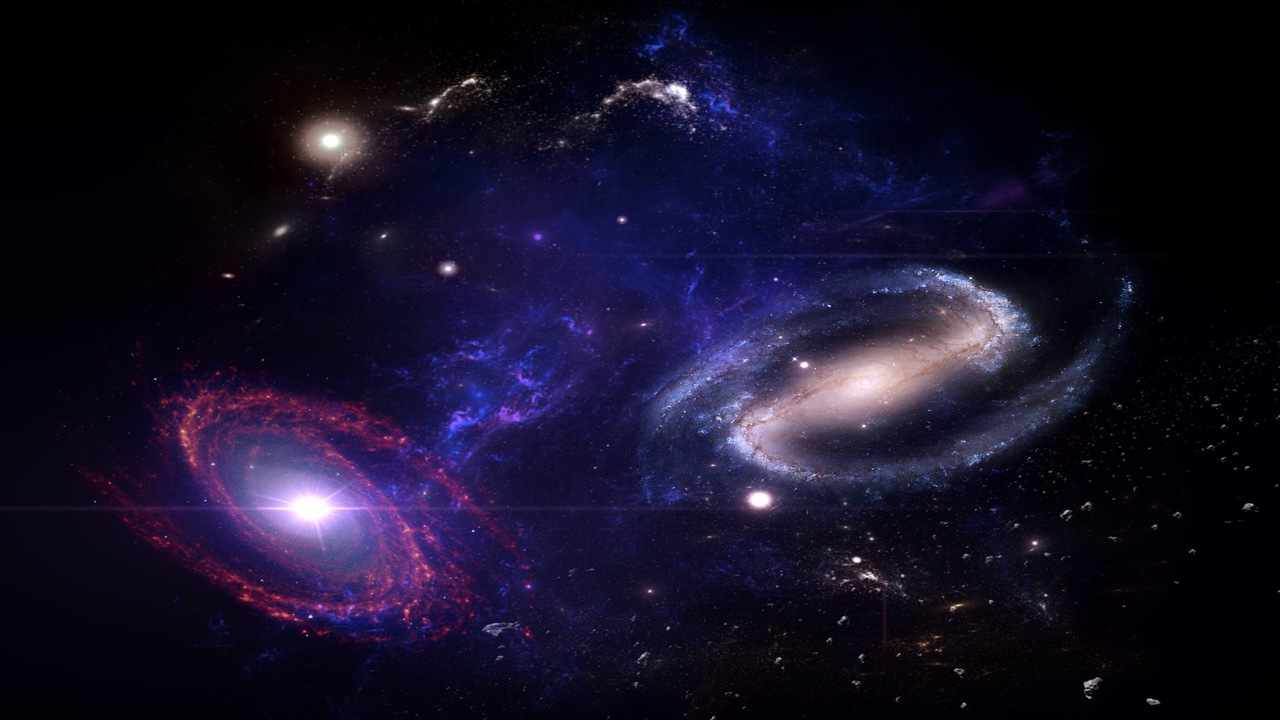
How Galaxy Collisions Give Birth to New Stars
When two galaxies collide, the first image that comes to mind might be one of cosmic destruction—stars smashing into each other, planets shattering, and entire systems being torn apart. The truth is far more surprising: galaxy collisions are one of the universe’s most creative processes. Instead of destroying stars, collisions often trigger the birth of new ones.
Cosmic Web: The Hidden Skeleton of the Universe
On the largest scales, the universe does not look random.It is the universe’s hidden skeleton: a vast network shaped by gravity, dark matter, and the expansion of space itself. Understanding this structure is essential for understanding how galaxies form, evolve, and connect across billions of light‑years.
Explore More Topics
Gamma-Ray Bursts: The Universe’s Most Violent Explosions
Gamma-ray bursts (GRBs) are brief, powerful flashes of high-energy radiation that outshine entire galaxies for a few seconds. They occur randomly across the sky, often billions of light-years away, yet the energy they release is so intense that Earth-based detectors can pick them up instantly. These events push astrophysics to its limits and provide a rare glimpse into the universe’s most extreme processes.
What Happens Inside a Black Hole? Exploring the Unknown Interior
Black holes are among the most mysterious objects in the universe. While scientists understand how black holes form and how they interact with their surroundings, what happens inside a black hole remains one of the greatest unsolved mysteries in physics. Crossing the event horizon—the point of no return—takes you into a realm where spacetime is warped beyond recognition and where our current theories break down.
The Darkest Objects in the Universe: How We Detect Invisible Black Holes
Black holes are famous for being invisible. They emit no light, no radiation, and no signals that can be directly detected with traditional telescopes. Yet scientists have discovered dozens of them and mapped their behavior across the cosmos. How is this possible?